Shared Spaces Build Trust and Strengthen Bonds
The less time we spend with our neighbors, the more distant we can feel from one another. But we can still find common ground—literally and figuratively—in shared places like parks. Our green spaces have a simple but powerful ability to bring people together, rebuild trust, and strengthen communities. Support Our Work


We’re investing in tools and resources that help advocates everywhere—urban and rural, longtime residents and newcomers—bring parks, trails, schoolyards, and open land to life in their communities.
Our work is guided by the Common Ground Framework, a research-based guide for local leaders and park practitioners that shows how parks help people connect, build trust, and work across their differences.

Trust for Public Land’s 2025 ParkScore report goes beyond rankings. It shows how parks are shaping the future of communities across the country. This year’s findings highlight how strong park systems help cities build relationships, trust, and wellbeing—at a moment when connection matters more than ever.


Trust for Public Land developed a framework to strengthen community voice through the creation and care of green spaces. Our work shows how parks can support healthier, more connected democratic life.

Decades of work with communities and local leaders across the country have taught us something simple: it’s not just the park itself that matters. It’s the process of imagining, designing, and caring for it together.
We work alongside communities to bring their vision for green space to life. That means partnering with city leaders and local groups to secure funding and create parks that support health, reflect local culture, and respond to community priorities. When communities shape their parks, those spaces become more welcoming, more used, and more loved.
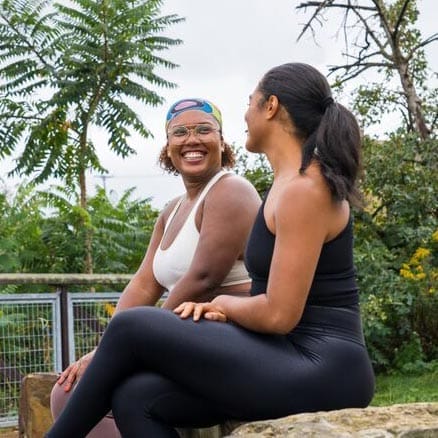
Across the country, people are feeling more lonely, divided, and disconnected than ever. Many of the places that once underpinned social cohesion are less prominent today. Parks remain one of the few shared spaces where people from different backgrounds can meet, spend time together, and build a shared sense of belonging.
-
Relationships
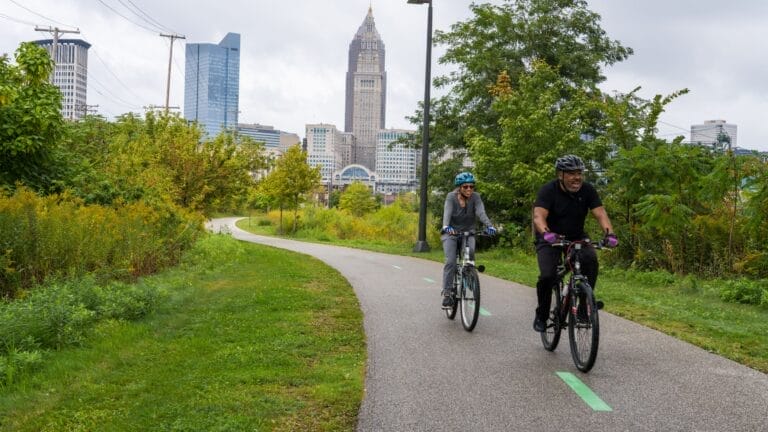
Strong communities often begin with something simple: time spent together in local parks.
Research shows that neighborhoods with parks tend to have stronger social ties than those without them. These connections help communities respond to challenges—from natural disasters to public health crises—and build trust with local institutions.
Coffee Talk: Food, Drink, and Conversation Are the Building Blocks of Great Parks

-
Identity
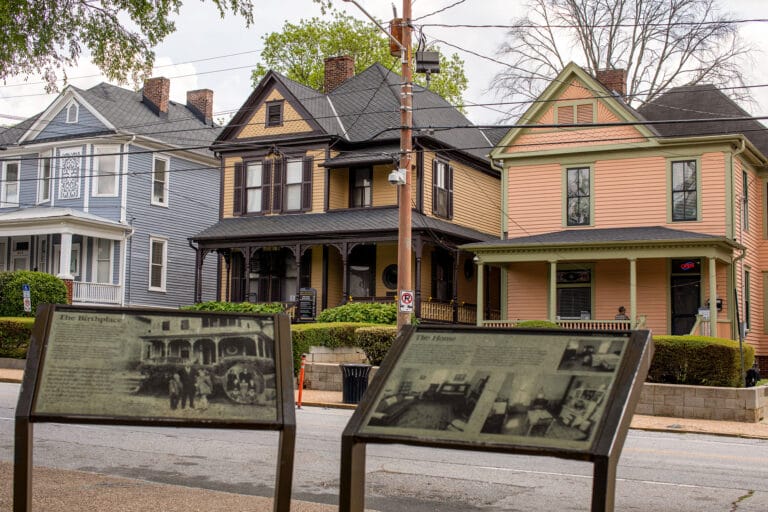
Parks are places where culture takes root and grows. When public spaces are welcoming and safe, people can share traditions, learn from one another, and feel pride in their community. That sense of identity and belonging matters in a country that is becoming more diverse and more digital every day. Parks can protect important cultural and historical sites—and they also create space for learning, celebration, and community gatherings.
The Giving Trees: Protecting Local Economies, Regional Identity, and Outdoor Recreation
-
Empowerment
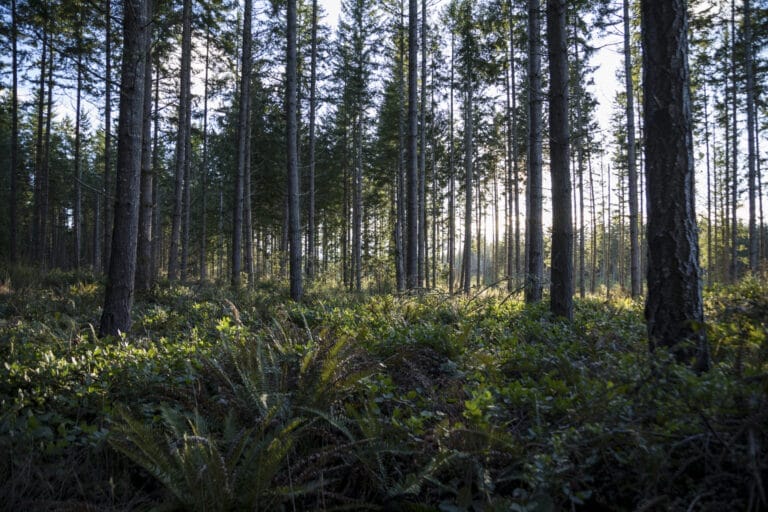
People are healthier, happier, and more connected when they spend time outdoors—and that adds up to stronger communities. Our work is rooted in inclusive, respectful participation, drawing on the knowledge of residents, local leaders, and community partners. When people help shape and care for their parks, they build confidence, strengthen their voice, and gain the momentum to take on bigger challenges together.


Read stories of how communities across the country shape, steward, and bring their parks to life—together.